
by David Ehmcke
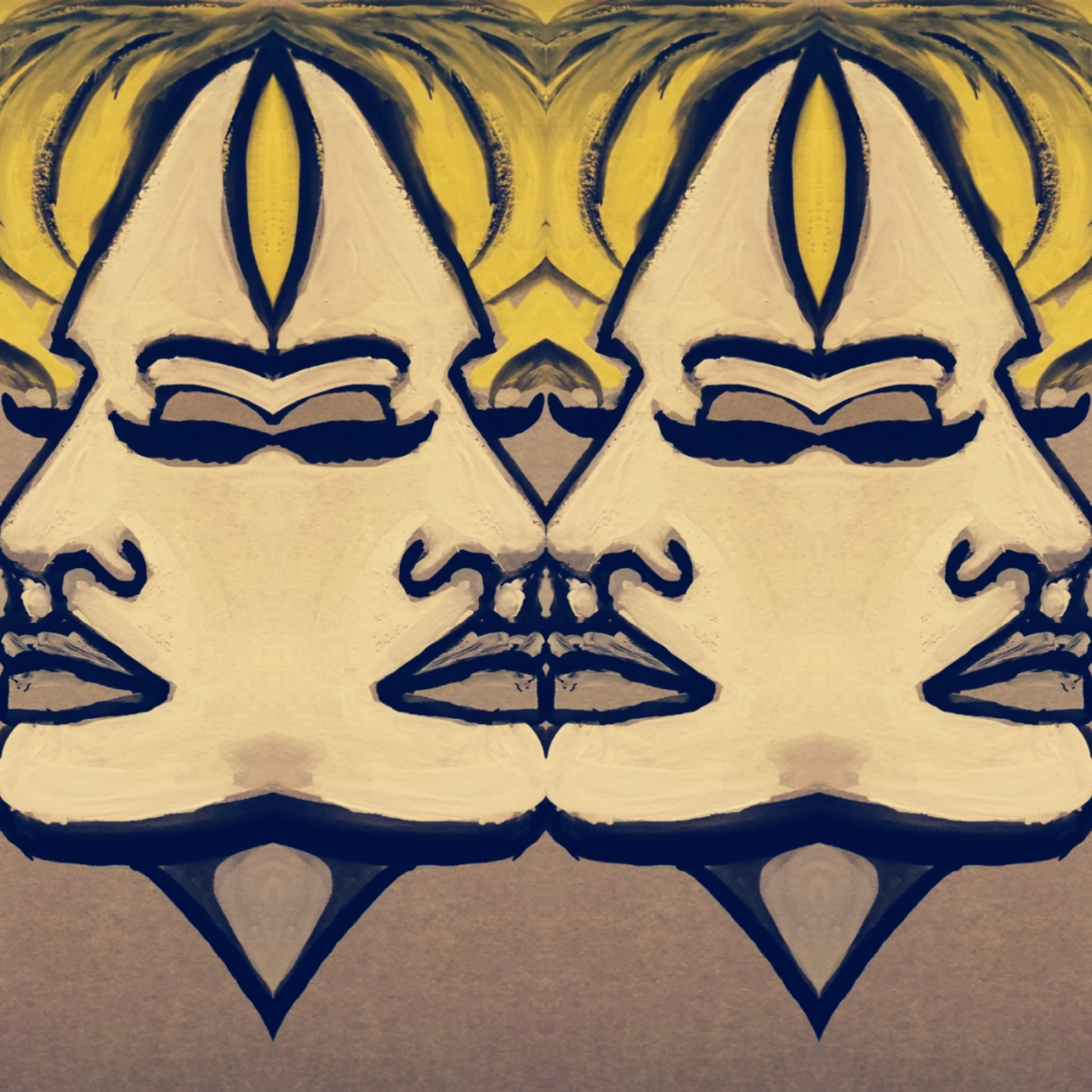
The Boy from Porto Alegre
Tall and tan and young and lovely as a lover
café soundscapes cement in public memory,
he is describing Brazil to me, what it is to leave
a home and find one, how much he missed
his mother and his childhood dog, and I am trying
to teach myself how to let him change.
Wine glasses give our faces back to us,
distorted. A couple at the table next to ours
offers, summers in New York convince you to stay.
It was the year the first devil bird landed
in Prospect Park and a construction company
peeled the ugly scaffolding off my block,
revealing glimpses of sky I was not used to seeing.
Weird migrations were taking form. I remembered
the people I was in ways I thought I lost.
Later, I went with him to Brighton Beach,
where we used to go and, like evidence poured
onto a courtroom floor, the details of the life
we shared came back, irrefutable, not quite familiar
but still intact: cachaça on the patio, the pet
macaw we’d thought of getting, its cage
we’d imagined somehow symbolic, too real,
and how he told me that Americans don’t know
how to make a home because our dreams wait
for us only on familiar shores. I wasn’t sure
if I believed that, but I trusted the sadness
I caught in his eyes the days I’d watch him
on the balcony, and it was like seeing a man
walk into the ocean in all his clothes, not himself,
unconscious of where the land had ended
and who that dark-eyed man calling out his name
behind him was. The sun slowly burned the backs
of our necks throughout the day. A tiny storm
formed far off in the distance. He was telling
me something simple about happiness, smiling
in a way I hadn’t seen. It was getting late. Everywhere
the waves erased the traces of where we walked,
and I decided I would not tell him I still loved him.
From the judge, Richard Blanco:
With spellbinding lyricism, The Boy from Porto Alegre masterfully evokes the intersectionality of culture, identity, belonging, and—at the heart of it all—love.
Poet David Ehmcke (he/him) received his MFA from Washington University in St. Louis, where he worked for Dorothy, a publishing project. His work has appeared or is forthcoming in The Drift, Image, swamp pink, The Missouri Review, Black Warrior Review, The Hopkins Review, The Adroit Journal, Volume Poetry, Meridian, Action, Spectacle, and elsewhere. David is the author of History of Lyric (Quarterly West, 2026). He lives in Brooklyn.
Artist Vincenzo Cohen is an Italian multidisciplinary social artist and writer. He earned the MFA from Fine Arts Academy and the MD in Archaeology from “La Sapienza” University in Rome. His production ranges from visual arts to writing exploring cultural and historical content as well as issues related to social and environmental justice. To learn more about hiswork visit: https://www.vincenzocohen.com/.

