
from Testamentum (Universidad Autónoma de Querétaro, 2021)
by Efraín Bartolomé
Translation by Cynthia Steele
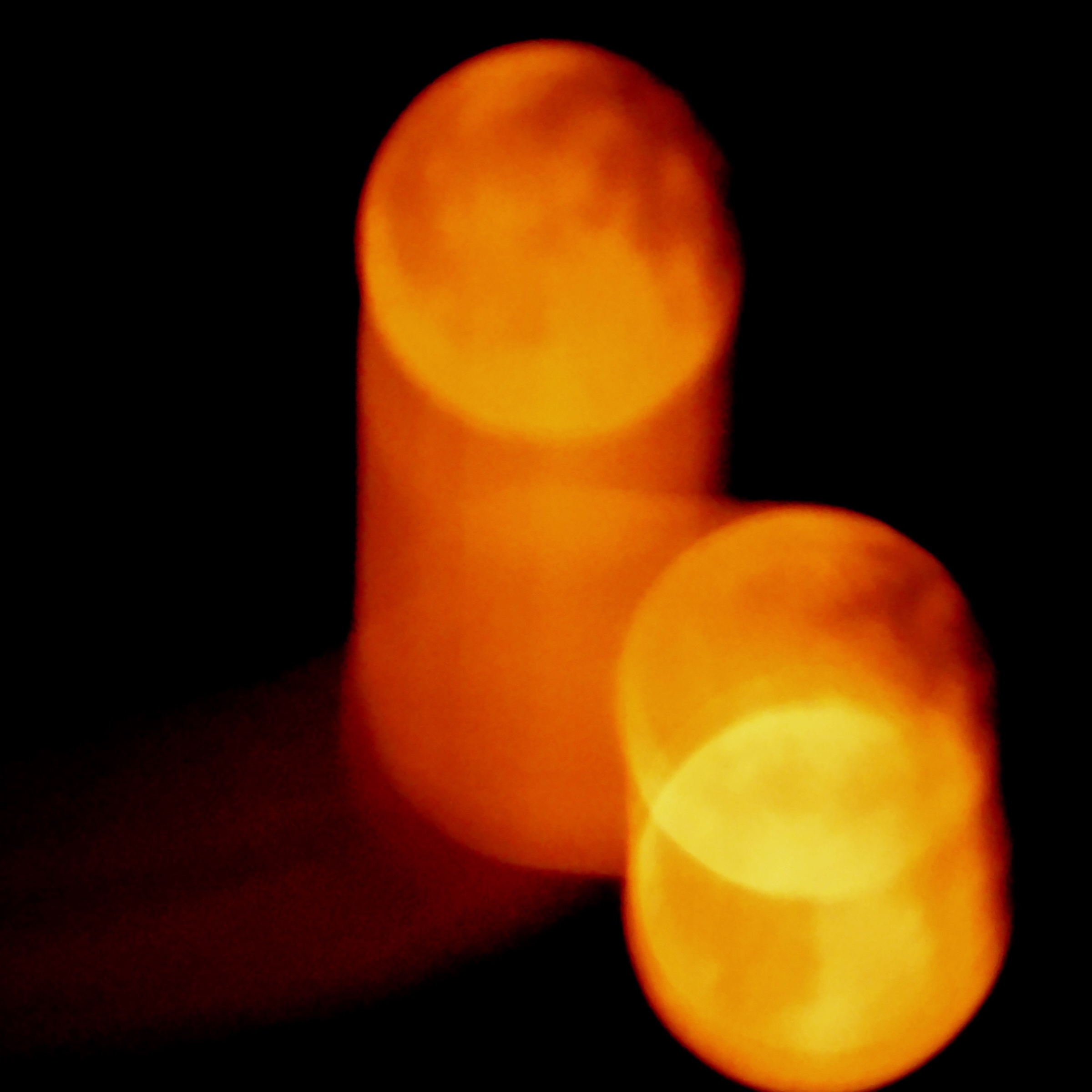
I watch the night burning
The vast sky is one
A uniform throbbing of stars
seems to sing in the silence from border to border
from North to South from East to West
from the heights to the depths
The crisp constellations ignore these raised arms
saluting and honoring them out of their haughty smallness
Standing on the rock I am one with the night
so near the great river ringing in the thicket
and revealing its shining from time to time
thanks to the spilled stellar dust
Never could the planet be rounder than today
: never the down so up or the up so down
The whole immense night fits into my eyes
with its stars and constellations
its Milky Ways and comets
Here before the great valley and before the immense night
now fused and confused beneath the rotund sky’s constellations
near the river that shall tumble over countless slopes and waterfalls
then go off and rest for a while in quiet pools
and long stretches of peaceful flowing
and later continue surging or slumbering
at the whim of its meandering
Here and from here I am preparing to leave
I have lived long enough and perhaps more
I am withdrawing from the world
I will be born and this is my farewell
My enamored dust shall be tossed tenderly
into the clear waters of my native river
by the sweet hands of the women I loved
embodied in a final ritual by the last of them
the one I chose weaving and unweaving the forces of chance
: the definitive one
Receive me newborn river
river newly sprung from the Mother’s womb
fresh-cooked river whole fervent
with purity burning in your clean transparency
nourishing river still luminous at night
when ruffled by the slightest splinter
the lightest claw
the tenderest fingertip
the slenderest sliver of light
Why if you come from the heart of that original slime
from the land of clay from the subterranean mud
are you born thus as now so clear and crystalline
with no murkiness or excrescences?
Why
if you come from the heat of that infernal womb
are you born so fresh?
And so I am alone and am thinking about leaving
I am thinking about giving departing bequeathing
my dust to the dust
my ashes to the world
to the clean air my breath
that my lungs no longer need
May there go a bit
of my condensed mineral matter
my pure dry dust no longer with skin no longer with nerves
without muscles or strength
my dust devoid of the senses with which I learned the world
which I enjoyed so much
I shall mingle with these waters
with the flora and the fauna with the sky and the earth
There I go.
*
Miro la noche arder
El vasto cielo es uno
Un uniforme palpitar de estrellas
pareciera cantar en el silencio de confín a confín
de norte a sur de este a oeste
de lo alto a lo hondo
Las nítidas constelaciones ignoran estos brazos levantados
que las celebran y honran desde su altiva pequeñez
De pie sobre la roca me hago uno con la noche
muy cerca del gran río que suena en la espesura
y sólo por momentos muestra su cabrilleo
gracias al derramado polvo estelar
Nunca podría el planeta ser más redondo que hoy
: nunca más arriba el abajo ni más abajo el arriba
Toda la inmensa noche cabe en mis ojos
con sus estrellas y constelaciones
y caminos lechosos y cometas
Aquí frente al gran valle y ante la inmensa noche
que hoy se funden y se confunden bajo el rotundo cielo constelado
cerca del río que ya no tarda en despeñarse por laderas y cascadas innumerables
para irse a descansar después al menos por un rato en pozas quietas
y largos tramos de discurrir tranquilo
y continuar más tarde su camino y agitarse o adormecerse
según los rumbos caprichosos que sus meandros tomen
Aquí y desde aquí me preparo a partir
Viví lo suficiente y tal vez más
Me retiro del mundo
Voy a nacer y esta es mi despedida
Mi enamorado polvo será arrojado tiernamente
sobre las aguas transparentes de mi río natal
por las amadas manos de las hembras que amé
representadas en el rito final por la última de ellas
la que yo elegí tejiendo y destejiendo las fuerzas del azar
: la definitiva
Recíbeme río recién nacido
río recién brotado del vientre de la Madre
río recién cocido entero fervoroso
con la pureza ardiendo en tu limpia transparencia
río nutricio luminoso aún de noche
cuando te roza la más pequeña esquirla
la uña más leve
la yema más enternecida
la astilla más delgada de la luz
¿Por qué si vienes de aquel lodo original
de la tierra arcillosa del fango subterráneo
naces así como ahora tan limpio y cristalino
sin turbiedades ni excrecencias?
¿Por qué
si vienes del calor de aquel vientre infernado
naces tan fresco?
He aquí que estoy solo y pienso en irme
Pienso en dar en dejar en legar
en dar mi polvo al polvo
al mundo mis cenizas
al aire limpio aliento
que mis pulmones ya no habrán de gastar
Vaya un poco
de mí bien concentrada materia mineral
mi polvo seco y puro ya sin piel ya sin nervios
sin músculos ni fuerza
mi polvo desprovisto de los sentidos con que conocí el mundo
con los que gocé tanto
Me integraré a estas aguas
a la flora y la fauna al cielo y a la tierra
Allá voy.
Poet Efraín Bartolomé was born in 1950 in Ocosingo, State of Chiapas, Mexico. He has published twenty-five books of verse, most of which have been collected in four anthologies, two of them in México: Agua lustral. Poesía 1982-1987 (CONACULTA, 1988); Oficio: arder: Obra poética 1982-1997 (UNAM, 1999); and two in Spain: El ser que somos (Sevilla, Editorial Renacimiento, 2006); and Cabalgar en las alas de la tormenta (Cartagena, Editorial Balduque). Bartolomé is the recipient of numerous literary awards, including the Aguascalientes National Poetry Award (1984); the Carlos Pellicer Prize (1992); the Gilberto Owen National Literary Prize (1993); the Jaime Sabines International Poetry Prize (1996), the Chiapas Arts Prize (1998), and the International Latino Arts Award (2001). The Mexican government also awarded him the National Forest and Wildlife Merit Prize. Bartolomé is a member of the National System of Creative Artists. His poems have appeared in nearly 200 anthologies and have been translated into twelve languages. English translations include Jaguar Eye, trans. Asa Zatz (Libros de Chiapas, 1999) and Ocosingo War Diary: Voices from Chiapas, trans. Kevin Brown (Calypso Editions, 2014).
Translator Cynthia Steele is Professor Emeritus of Comparative Literature at the University of Washington, Seattle. Her translations of Spanish and Latin American literatura include Inés Arredondo, Underground Rivers (Nebraska, 1996), José Emilio Pacheco, City of Memory (with David Lauer, City Lights, 2001), and María Gudín, Open Sea (Amazon Crossing, 2021). They have also appeared in numerous journals, including Agni, Chicago Review, TriQuarterly, Gulf Coast, Southern Review, Washington Square Review, and Michigan Quarterly Review.
Artist Tanya L. Young is a BIPOC writer, visual artist, and PhD student. Her work is featured in publications such as Salt Hill Journal, The Amistad, New York Quarterly, and others. She is a VONA alum. Currently, she is a staff reader for TriQuarterly. She has also read for publications such as Frontier Poetry and Tupelo Press. www.tanyasroom.com IG: wheelofashes
 Gulf Stream Magazine