
by M.C. Schmidt
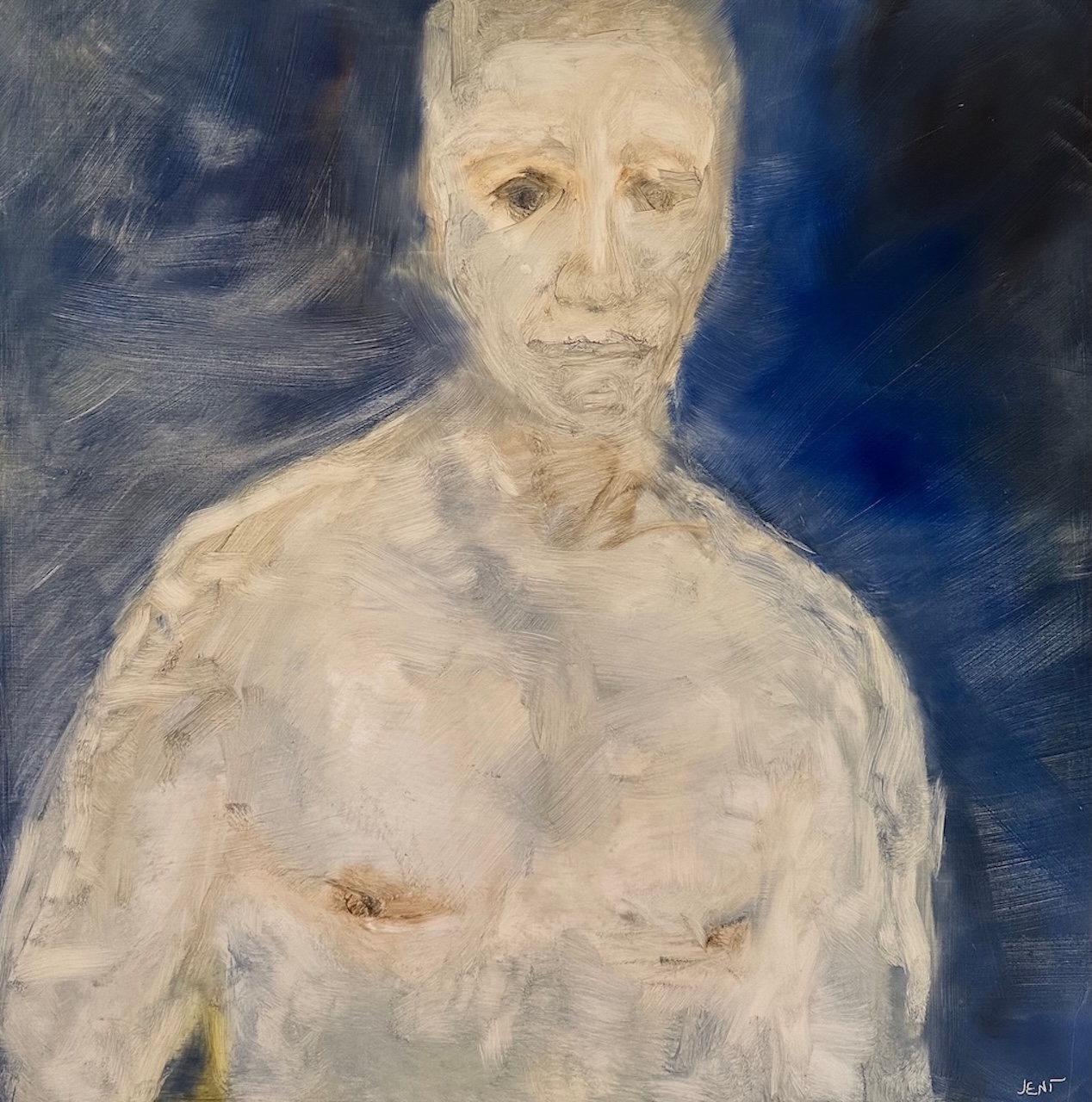
Cave Dwelling
At dinner parties, they would say it was the economy that drove them to live in an undersea cave. The parties were at the homes of others, above ground, the low altitude of their cave causing alcohol to sit strangely in the blood, a throb of pressure in the inner ear.
Invitations were delivered by hand to the postal box they’d drilled into the reef outside their cavemouth. There was no cell service or Internet under the sea. Back when they were landlubbers, they were hardly invited anywhere. Colorful characters benefit parties, though, and no one is more colorful than a subterranean couple. For a time, they reveled in their newfound popularity, a period they referred to later as the “party season” of their marriage.
Over time, they grew weary. Not only of the parties with their patronizing smiles, but of the dry open air, of the dullness of un-reverberated sound, of the surface generally. She was the first to quit her job, then him.
Clothing itched. In their intimate darkness, there was no need for modesty, their cool, clammy bodies free to breathe and explore the gritty, aphanitic basalt of their dwelling. They grew pale and calloused, felt cocooned, safe.
They sold their modest Sedan to a nice, young surfer boy who’d been accepted to an out-of-state school. The cash from the sale went unspent, moldered with dry rot. The couple received all they needed from the sea—fish, sweet crustations, fibrous kelp, and seaweed. They made a V-shaped hollow in the sand and lined it with a tarp to catch potable water from the damp sea air. It was a trick they’d learned before, when they lived in the sun and thought relaxation meant sitting on pillowed furniture, consuming reality survival shows. Neither realized they’d stored away this knowledge until it was needed.
They made love often and gave no thought to midwives or hospitals when pregnancy came. By then, they were adept at natural things.
The babies arrived with no pain or fanfare. Beneath their translucent skin, their soft bodies seemed to glow with their parents’ pride. Surely, no one had ever seen so handsome a litter as theirs.
When the babies were three months old and fully independent, rambunctious and havoc-making, their flippers perpetually sticky with this or that, a spelunker happened upon the cavemouth. He was an Internet explorer with a headdress festooned in cameras and lights. The spelunker didn’t know of the family, thought the cave was his own discovery, and he narrated excitedly as he lowered himself down its dank shaft. The babies had never met a surface-dweller, and it had been ages since the couple ventured onto land, so they huddled together at the sound of his approach.
The headlamp was the worst thing, blinding them and causing the babies to shriek like monsters. Perpetual darkness had made them unaware of possessing visual organs at all, let alone those which could be stimulated so violently.
The spelunker screamed and ran, a protracted disappearance up the long, slick tunnel by which he had come, breathlessly chattering about humanoid creatures from the deep. The couple, who dimly remembered the Internet, squeezed one another’s hand—“mittening” they had come to call it, due to their recent, inelastic finger-webbing. They remembered virality and misinformation, mass hysteria. Fear dressed up as hate.
Years before, they had found a second entrance to the cave, hidden and leading directly to the sea. They preferred it to the reef opening anyway. Without a sound communicated between them, they calmed the babies then set about gathering rocks, piling sand. By the time they heard the rumble of approaching engines and the voices of the mob, the beach opening was barricaded and hidden. Still, they cowered together at their cave’s lowest point, alert, praying it would pass.
“People,” the man said to the woman, softly, so as not to further frighten their brood.
“People,’ the woman agreed.
Back in the party season of their marriage, they used to say it was the economy that drove them into an undersea cave. But this was the reason all along.
Author M.C. Schmidt’s recent short fiction has appeared, or is forthcoming, in The Pinch, HAD, Southern Humanities Review, The Saturday Evening Post, EVENT, and elsewhere. He is the author of the novel, The Decadents (Library Tales Publishing, 2022) and the forthcoming short story collection, How to Steal a Train (Anxiety Press, 2025).
Artist Jeni Follman is a dynamic fine artist with a passion for expanding the limit of creative expression. Adept at thought-provoking and emotionally engaging works across a wide range of subject matter. Skilled storyteller, with an acute eye for composition and color, experiences painting as an opportunity to understand and record life.
 Gulf Stream Magazine